
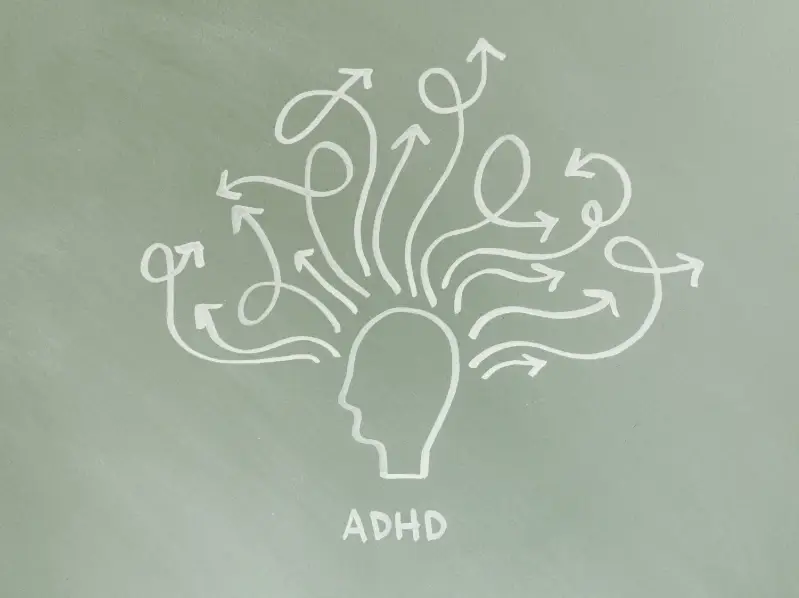
ADHD (Attention Deficit Hyperactivity Disorder) is a common neurodevelopmental condition affecting both children and adults. Many individuals with ADHD experience challenges in attention, hyperactivity, impulsivity, and emotional regulation. For those diagnosed with ADHD, effective management often requires a combination of medication, behavioral interventions, and lifestyle support. Empire Psychiatry in Queens provides holistic ADHD treatment designed to improve the quality of life for children and adults.
Symptoms of ADHD and Hyperactivity in Daily Life
The symptoms of ADHD can vary widely. Children with ADHD often display hyperactivity, difficulty following instructions, distractibility, and trouble completing tasks at school. Adults may struggle with time management, organization, and maintaining relationships. Hyperactivity can manifest as restlessness, excessive talking, or difficulty sitting through meetings or classes. Identifying these behaviors early allows clinicians to provide targeted interventions to improve daily functioning and emotional well-being.
ADHD Diagnosis: Evaluation for Children and Adults
Accurate ADHD diagnosis is essential for determining an appropriate treatment plan. Clinicians at Empire Psychiatry combine clinical trials, standardized assessments, and comprehensive interviews with patients and families to evaluate cognitive, behavioral, and emotional patterns. Proper evaluation ensures that people with ADHD receive care that addresses their unique needs, reducing the risk of co-occurring mental health disorders such as anxiety, depression, or substance use.
Medication as a First Line of Treatment for ADHD
Medication is often the first line of treatment for ADHD. Stimulant medications such as methylphenidate and amphetamine are commonly prescribed to increase dopamine and norepinephrine in the brain, improving attention, focus, and impulse control. For some patients, non-stimulant medications may be recommended based on medical history or sensitivity to stimulants.
Key considerations in medication use include:
- Selecting the right dose of medication for symptom management.
- Monitoring for benefits and side effects.
- Adjusting medication and dose over time for optimal treatment response.
Regular follow-ups ensure that adult patients with ADHD and children with ADHD achieve improvement in ADHD symptoms while minimizing risks.
Behavioral Treatment Options for ADHD
In addition to medication, behavioral treatment is critical for managing ADHD. Behavioral therapy and behavior management strategies help patients develop organization, time management, and coping skills. Cognitive behavioral therapy (CBT) is widely used for both children and adults to enhance executive function and emotional regulation.
- Parent training in behavior management equips families to support children with ADHD in structured, consistent ways.
- Group sessions allow patients to practice social skills and learn from peers in a supportive environment.
- Individual therapy addresses personal challenges, including managing hyperactivity and improving attention.
Combining behavior therapies with medication use often yields better outcomes than either approach alone.
Tailored Treatment Plans and Recommendations
Each treatment plan is individualized, reflecting the specific needs of the patient. Clinicians consider factors such as age, subtype of ADHD, comorbid conditions, and lifestyle when developing treatment recommendations. The goal is to provide a treatment overview that guides the patient toward consistent improvements in attention, focus, and daily functioning.
Empire Psychiatry integrates research-backed strategies and FDA-approved treatments to ensure evidence-based care. Some patients benefit from a combination of medication, behavioral therapy, and lifestyle modifications to cope with ADHD effectively.
Monitoring ADHD Progress and Treatment Response
Ongoing monitoring is essential for the management of ADHD in adults and ADHD in children and adolescents. Clinicians track treatment response, symptom improvement, and functional outcomes, adjusting medication and dose as needed. Behavioral interventions are also adapted based on progress, ensuring that individuals with ADHD receive the most effective care.
Lifestyle Strategies to Support ADHD Treatment
Lifestyle interventions complement medical and behavioral approaches. Structured routines, sleep hygiene, physical activity, and nutritional support can enhance the management of attention-deficit hyperactivity symptoms. Mindfulness and stress management techniques improve focus and emotional regulation, helping people with ADHD succeed in school, work, and personal life.
ADHD in Children: Specialized Behavioral Support
Children with ADHD benefit from age-appropriate interventions. Early identification and behavior management for children can prevent academic difficulties and social challenges. Combining ADHD medications with behavioral treatment and parental guidance allows children to develop skills that support long-term independence and self-regulation.
Adult Patients with ADHD: Management and Therapy
For adult patients with ADHD, treatment often emphasizes workplace performance, time management, and emotional regulation. Medication combined with cognitive behavioral therapy and lifestyle support improves attention, reduces impulsivity, and supports professional and personal goals. Regular monitoring ensures continued improvement of ADHD symptoms and treatment effectiveness over time.
Resources and Clinical Guidance
Empire Psychiatry follows guidance from leading organizations, including the National Resource Center on ADHD and the Centers for Disease Control, to provide evidence-based treatment recommendations. Clinical trials and ongoing research help refine treatment options and ensure access to the most effective interventions.
Empowering Every Patient with Holistic ADHD Care
Effective ADHD treatment requires a holistic approach. Empire Psychiatry provides individualized treatment of ADHD combining medication use, behavioral therapies, lifestyle modifications, and ongoing monitoring. Whether for children with ADHD or adult patients with ADHD, treatment plans are tailored to ensure optimal improvement of symptoms, functional outcomes, and long-term well-being.
Patients seeking comprehensive ADHD care in Queens can access diagnosis and treatment, personalized treatment recommendations, and evidence-based strategies to treat ADHD effectively. To schedule an appointment, visit Empire Psychiatry or call 516-900-7646.
ADHD Treatment Doctor in Queens NYC
Comprehensive Psychiatric Care for Children, Adolescents, and Adults
Attention Deficit Hyperactivity Disorder, commonly known as ADHD, is a complex developmental and mental health condition that affects focus, impulse control, emotional regulation, productivity, and overall well being. ADHD impacts children and adolescents as well as adults, and untreated ADHD can interfere with school performance, career growth, personal relationships, and quality of life.
For individuals searching for finding the right ADHD treatment doctor in Queens NYC, working with a highly skilled psychiatrist who specializes in ADHD diagnosis and treatment is essential. At Empire Psychiatry, our psychiatry team provides compassionate, evidence based psychiatric care designed to meet the unique needs of each patient. We offer comprehensive ADHD evaluation, medication management, psychotherapy, and personalized treatment plans for patients throughout New York.
Understanding ADHD and Recognizing Symptoms
ADHD is a neurodevelopmental condition characterized by persistent patterns of inattention, hyperactivity, and impulsivity. Recognizing ADHD early allows for effective treatment and early intervention that supports long term success.
Common ADHD symptoms in children and adolescents include:
- Difficulty following instructions
- Distractibility
- Excessive movement
- Hyperactivity, and challenges with emotional regulation.
Developmental concerns may appear in school settings, social interactions, and at home.
Adult ADHD symptoms often include:
- Poor time management
- Difficulty
- Staying organized
- Insomnia
- Restlessness
- Forgetfulness
- Impulsive decision making, and
- Reduced productivity.
Many adults seek treatment for adult ADHD after years of managing symptoms without proper support. Our ADHD specialists focus on recognizing ADHD across all age groups and understanding how each symptom affects daily functioning.
ADHD Diagnosis and Comprehensive Evaluation
Accurate ADHD diagnosis is the foundation of effective treatment. Our ADHD psychiatrists in NYC conduct thorough ADHD evaluations that go beyond surface symptoms. The evaluation process is designed to individualize care and identify co occurring mental health conditions.
An ADHD evaluation may include:
- A comprehensive psychiatric consultation
- Review of developmental, academic, and medical history
- Standardized ADHD assessment tools
- Screening for anxiety, depression, insomnia, and other mental health concerns
- Collaboration with families when evaluating children and adolescents
This careful evaluation allows our psychiatrists to tailor treatment options and avoid misdiagnosis, ensuring that each patient receives the right mental health care from the first session.
Medication Management for ADHD
Medication management is a core component of ADHD treatment for many patients. Our psychiatrists based in New York specialize in prescribing and managing ADHD medications using an evidence based and collaborative approach.
Stimulant and non stimulant meds may be used depending on the patient’s symptoms, age, medical history, and specific needs. Medication management focuses on improving focus, impulse control, and emotional regulation while minimizing side effects.
Key aspects of our medication management process include:
- Selecting appropriate medications based on individual evaluation
- Adjusting dosage to manage symptoms effectively
- Monitoring response and side effects over time
- Ongoing follow up appointments to personalize care
Medication management is always integrated into a broader treatment plan and may be combined with therapy sessions for optimal outcomes.
Behavioral Therapy and Cognitive Behavioral Therapy for ADHD
Psychotherapy plays a critical role in managing ADHD symptoms. Cognitive behavioral therapy, often referred to as CBT, is a widely used therapeutic approach for both children and adults with ADHD.
CBT helps patients recognize patterns that interfere with daily life and develop practical skills for organization, emotional regulation, and managing symptoms. Therapy sessions may focus on improving productivity, reducing impulsivity, and strengthening coping strategies.
Behavioral and therapeutic treatment options may include:
- Individual psychotherapy
- Cognitive behavioral therapy tailored to ADHD
- Support for managing hyperactivity and emotional dysregulation
- Therapy to improve personal relationships and workplace functioning
Combining psychotherapy with medication management allows patients to address both biological and behavioral aspects of ADHD.
ADHD Treatment for Children and Adolescents
Children and adolescents with ADHD benefit from early, personalized treatment plans that support developmental growth. Our psychiatrists work closely with families to create structured and compassionate treatment approaches.
Treatment for younger patients may combine medication, behavioral therapy, parent guidance, and school support. Early intervention helps children build skills that promote confidence, emotional balance, and long term well being.
Adult ADHD Treatment and Ongoing Support
Adult ADHD treatment focuses on improving daily functioning, career performance, and personal relationships. Many adults experience relief after receiving an accurate diagnosis and beginning treatment for adult ADHD.
Our psychiatrists specialize in adult ADHD and provide tailored treatment that may include medication management, CBT, and lifestyle strategies. Treatment plans are individualized to support focus, organization, and emotional regulation over time.
Personalized and Evidence Based ADHD Care
At Empire Psychiatry, we are committed to delivering expert ADHD care through personalized treatment plans. Our psychiatrists and nurse practitioners specialize in ADHD and mental health conditions, offering care that is compassionate, collaborative, and evidence based.
We accept most major health plans, including Aetna, and offer in person and via telehealth appointments for convenience. Our mental health providers work with patients throughout New York, ensuring access to quality psychiatric care.
Why Choose Us for ADHD Treatment in Queens and Throughout New York
Patients choose Empire Psychiatry for expert ADHD care because we combine clinical expertise with a holistic approach to mental health.
We provide:
- ADHD psychiatrists in NYC with extensive residency training
- Comprehensive ADHD evaluation and diagnosis
- Medication management and psychotherapy
- Personalized treatment plans tailored to unique needs
- A collaborative approach focused on long term quality of life
Our team is committed to providing expert psychiatric care that supports overall well being and meaningful improvement.
Take the First Step Toward Better Mental Health. Schedule an Appointment Now!
If you or someone you know is experiencing ADHD symptoms, finding the right ADHD psychiatrist can make a lasting difference. Empire Psychiatry offers compassionate, evidence based ADHD treatment in Queens NYC for children, adolescents, and adults.
To schedule an appointment or consultation, contact Empire Psychiatry or call 516 900 7646. Take the first step toward improved focus, emotional balance, and a better quality of life with trusted mental health care.