
If you’ve booked your first psychiatrist appointment, you might feel unsure of what to expect. Many people expect a quick prescription or a generic checklist, but in reality, the first psychiatric visit is typically a 45–60 minute deep dive into your personal mental health conditions, everyday challenges, physical health, and life circumstances. The psychiatrist may use this information to create a personalized treatment plan, which may include medication management, psychotherapy, lifestyle recommendations, or referrals to other health professionals.
This first psychiatry appointment is an opportunity to discuss your emotional well-being and explore options for treatment. Taking the first step toward mental health treatment can make you anxious. But understanding what to expect during your first visit helps you stay calm and engaged. In this article, you’ll learn what to expect. Including what information to prepare, questions you might be asked, how telehealth differs from in-person visits, and what follow-ups look like.
How to Prepare for Your First Visit
Coming well-prepared ensures you get the most out of your time with the psychiatrist. Bring relevant documents, and think ahead about questions you want answered during your first session.
Documents and Information to Bring
- A list of current medications, including over-the-counter supplements and dosage.
- Medical history records or summaries from prior doctors or therapists.
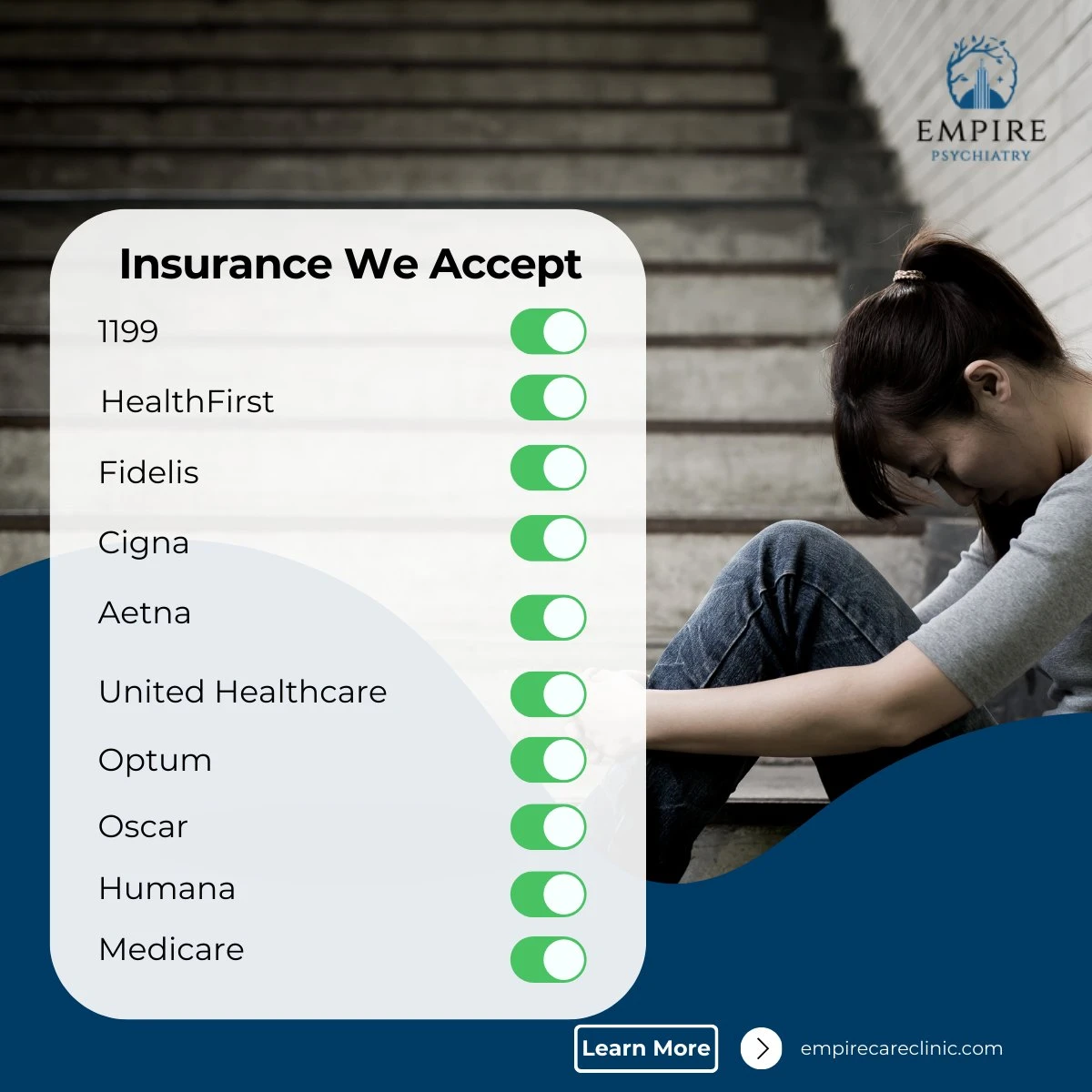
- Insurance card and ID for billing and verification.
- Notes on past psychiatric symptoms or episodes, include approximate dates and triggers.
- Any recent lab results if your mental health issues may be related to physical health (such as thyroid or vitamin deficiencies).
Self-Reflection Before You Go
Spend time thinking about:
- Your main reasons for seeking mental health treatment now.
- What symptoms have been most disruptive to your life.
- Past experiences with therapy, psychiatry, or psychiatric services, what helped, what didn’t.
- Your goals for treatment (reduce anxiety, stabilize mood, improve concentration, etc.).
Preparing for your first appointment with a psychiatrist can make you feel more prepared and help your psychiatrist provide an appropriate treatment that fits your needs.
The Clinician’s Questions During Intake
The first appointment focuses heavily on taking a comprehensive history. Psychiatrists are medical doctors specializing in mental health, so they consider both physical and psychological factors.
Common Discussion Topics
- Medical history: chronic illnesses, surgeries, traumatic brain injury, allergies, and other conditions.
- Psychiatric history: prior diagnoses, hospitalizations, therapy experiences, psychiatric assessment, or mental health conditions.
- Family history: relatives with mental health or substance use issues.
- Social history: work, education, relationships, and support systems.
- Lifestyle factors: sleep patterns, diet, exercise, alcohol or drug use.
The psychiatrist will likely ask questions about your experiences, symptoms, and concerns. They might also ask standardized common questions using tools like the PHQ-9 or GAD-7. These help identify depression, anxiety, and other mental health issues.
Psychiatrists will ask about anything that can influence your mental health or emotional well-being, sometimes bringing up sensitive topics to get a full picture of your situation.
Symptom Assessment and Diagnosis
Once background information is gathered, the psychiatrist will discuss your current symptoms and how they impact daily life.
This Often Includes:
- How long symptoms have been present.
- Whether they change with seasons, stress, or certain events.
- Frequency and severity of mood changes, anxiety attacks, or concentration issues.
- Any impacts on work, relationships, or physical health.
Based on this information, the psychiatrist may give you an initial working diagnosis. This is often tentative until more sessions confirm patterns. The goal is to develop a comprehensive treatment plan that considers mental health as important as physical health.
Medication Review and Possible Prescriptions
One unique aspect of seeing a psychiatrist versus a psychologist is the ability to prescribe psychiatric medications. If you’ve tried medications before, the psychiatrist may ask:
- What worked or didn’t.
- Any potential side effects or reactions you experienced.
- How you managed adherence and taking your medication regularly.
If medication management is recommended, you’ll discuss potential benefits, risks, dosage, and monitoring. The psychiatrist aims for an effective treatment that balances benefits with minimal side effects. You are not obligated to take medication; the plan is collaborative and considers holistic approaches such as therapy or lifestyle changes.
Duration, Cost, and Billing
According to the American Psychiatric Association, initial psychiatric evaluations often last 55–90 minutes, depending on complexity. Costs vary, but with insurance, you may only owe a copay.
Without insurance, expect:
- Initial consultation fees between $175–$300 nationally.
- Follow-up appointments cost less (typically 20–30 minutes).
Billing includes your diagnosis code for reimbursement. The psychiatrist may help submit claims directly, ensuring your mental health treatment is covered when possible.
Telepsychiatry vs In-Person Visits
Telehealth, psychiatric care via secure video call has expanded access to psychiatric services dramatically.
Benefits
- No travel needed; ideal for remote or rural areas.
- Flexible scheduling.
- Equal privacy protections (HIPAA-compliant).
Differences
- Physical exams (e.g., neurological screenings) are limited online.
- You must ensure a quiet, private environment.
- Test your connection before the appointment.
Whether telehealth or in-person, your first psychiatrist appointment will still cover the same topics, medical history, psychiatric assessment, and treatment options.
What Follow-Up Looks Like
Your psychiatrist will typically schedule a follow-up:
- 2–4 weeks after starting medication to check response and side effects.
- Every 1–3 months for ongoing mental health treatment, depending on progress.
Follow-ups are shorter but crucial for adjusting dosage and ensuring effective treatment. They also reinforce that health is just as important as ongoing mental health support.
Tips to Maximize Your Appointment
- Be open and honest; accurate information means better care.
- Take notes during your first appointment to remember advice and next steps.
- Ask questions, understanding your diagnosis and treatment options helps you stay engaged.
- Bring a trusted person if you feel anxious or unsure of what to expect.
These steps help you get the support you need, and your psychiatrist can then create a safe environment for open communication.
When to Seek Immediate Support
Contact emergency services or crisis lines if you have thoughts of harming yourself or others. Your psychiatrist can provide ongoing mental health care, but emergencies need immediate help.
Start Your Recovery Journey With Empire Psychiatry
Empire Psychiatry offers expert, compassionate mental health care that treats the root causes, not just symptoms. With experienced psychiatrists, telehealth appointments, and flexible in-person locations across New York, they make psychiatric services accessible and affordable.
We provide comprehensive psychiatric assessment, medication management, and support for all mental health conditions from anxiety and depression to bipolar disorder and PTSD. Our team takes a holistic approach to care, ensuring every treatment plan is tailored for your overall emotional well-being.
Whether it’s your first psychiatrist appointment or a follow-up, Empire Psychiatry helps you overcome challenges with an appropriate treatment plan that fits your life. Take some time today to start your journey toward recovery. Because mental health is as important as physical health.
We provide comprehensive psychiatric evaluations, medication management, and supportive care to help you feel better. Our team assesses you holistically, offering solutions tailored to your needs. With telehealth and in-person visits available, you can always find effective treatment and compassionate support close to home.
First Psychiatry Appointment: What to Expect, How It Works, and How Care Begins
Scheduling a first psychiatry appointment often comes after a period of uncertainty, stress, or ongoing mental health concerns. Many people feel anxious before their first visit because they do not know what will happen or how much they will need to share. Some expect a quick prescription, while others worry about being judged.
Knowing what to expect at your first psychiatry appointment helps you feel more prepared and in control. At Empire Care Clinic, your first visit is designed to understand your symptoms, review your medical background, and assess how your mental health affects daily life. This appointment serves as the starting point for safe, structured, and personalized care.
Why the First Appointment Matters in Mental Health Care
The first appointment is a key step in mental health care because it sets the direction for treatment. During this visit, the psychiatrist gathers detailed information and begins identifying patterns that explain what you are experiencing.
Unlike later visits, the first appointment is longer. Many initial visits last close to 90 minutes. This time allows the psychiatrist to understand your mental health concerns alongside your physical health, lifestyle, and history. Treating mental health without this context can lead to incomplete care.
What Happens When Seeing a Psychiatrist for the First Time
Seeing a psychiatrist for the first time involves a structured medical conversation. The psychiatrist leads the discussion but also allows space for you to explain what brought you in.
The first part of the visit usually focuses on your current concerns. You may be asked when symptoms started, how they have changed over time, and how they affect work, relationships, or daily tasks. This helps the psychiatrist understand the impact of your symptoms, not just their presence.
The initial visit is not about rushing to conclusions. It is about building understanding.
Medical History and Its Role in Psychiatric Care
Medical history plays an important role in psychiatric care. Mental health symptoms can be influenced by physical health issues, medications, and past medical events.
During the first appointment, the psychiatrist will review:
-
Current and past medical conditions
-
Surgeries or hospitalizations
-
Family history of mental health concerns
You will also be asked about medications you are currently taking. This includes prescriptions, supplements, and over the counter products. Some medications affect mood, sleep, or focus. Others may interact with psychiatric medications, which is why accurate information matters.
Sharing a complete medical history helps the psychiatrist choose treatment options that are safer and more effective.
Questions a Psychiatrist May Ask During the First Visit
Many people worry about the types of questions they will be asked. The psychiatrist asks questions to understand your experience and assess safety, not to judge.
Common topics include mood, anxiety, sleep, appetite, stress, and concentration. The psychiatrist may also ask about drug and alcohol use, as these can affect mental health symptoms and treatment response.
Some questions may feel personal. If you feel unsure, you can ask why a question is being asked. Open communication helps build trust and improves the relationship with your psychiatrist.
Understanding Mental Health Symptoms and Diagnosis
During your first visit, the psychiatrist focuses on symptom patterns rather than isolated moments. They look at how long symptoms have been present, how often they occur, and what seems to trigger them.
Mental health conditions often overlap. For example, depression or anxiety can share similar symptoms. Because of this, a diagnosis at the first visit is often a starting point rather than a final answer.
Diagnosis may change as more information becomes available over time. This approach helps avoid mislabeling and supports better long term care.
Diagnosis and Treatment Plan Discussion
After reviewing symptoms and history, the psychiatrist will explain their clinical impressions. This includes what condition best explains your current symptoms and what other possibilities are being considered.
A treatment plan is then discussed. This plan outlines how symptoms will be addressed and what steps will be taken next. It is designed to be flexible and adjusted as your response to treatment becomes clearer.
You are encouraged to ask questions and share concerns during this discussion. Your understanding is part of effective care.
Medication Decisions and Prescribing Process
One of the most common concerns is whether the psychiatrist will prescribe medication during the first appointment. This depends on symptom severity, safety concerns, and your treatment history.
If medication is recommended, the psychiatrist will explain:
-
Why a specific option is being considered
-
How dosage works
-
Possible side effects
-
How progress will be monitored
Medication management is an ongoing process. Follow-up visits are used to assess response and adjust treatment if needed. You are not required to take medication, and alternatives may be discussed.
Treatment Options Beyond Medication
Medication is only one part of mental health treatment. Many people benefit from a combination of approaches.
Other treatment options may include psychotherapy, lifestyle adjustments, or coordination with a primary care provider. Therapy can help address thought patterns, behaviors, and coping strategies that medication alone cannot change.
The psychiatrist will work with you to choose treatment options that fit your needs and preferences.
How to Prepare for Your First Appointment
Preparing for your first appointment helps you make the most of your time.
Before attending your first psychiatry appointment, it can help to:
-
Make a list of symptoms and concerns
-
Write down medications you are currently taking
-
Think about past mental health treatment
-
Be ready to share current and past challenges
You do not need to organize everything perfectly. Being willing to share honestly is enough to help your provider guide care.
What Happens at the End of the First Psychiatrist Appointment
At the end of your first psychiatrist appointment, the provider will summarize what was discussed and explain the next steps. This may include starting treatment, scheduling follow-up visits, or making referrals.
Follow-up appointments are important for monitoring symptoms, adjusting treatment, and addressing side effects. Mental health care is a process that develops over time.
Ongoing Psychiatric Services at Empire Care Clinic
Empire Care Clinic provides psychiatric services focused on careful evaluation, clear communication, and ongoing support. Care is designed to meet patients at each stage of their mental health journey.
Whether you are attending a first appointment or continuing treatment, the goal is to provide structured care that supports stability and improvement. With the right information and support, the first visit becomes a meaningful step toward better mental health care.